Keyhole removal of the gallbladder (cholecystectomy) for gallstones, inflammation and chronic biliary disease — performed at Sterling Hospitals, Vadodara with same-day or next-day discharge for most patients.
Laparoscopic cholecystectomy is the surgical removal of the gallbladder through 3–4 tiny incisions (5–10 mm) using a keyhole camera and thin instruments. It is the most commonly performed elective abdominal operation in India and is considered the gold standard treatment for gallstones and gallbladder disease.
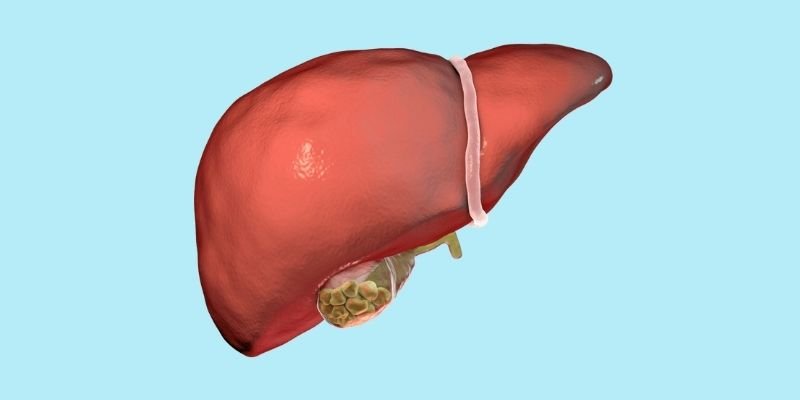
The gallbladder is a small pouch beneath the liver that stores bile. When stones form inside it — a condition called cholelithiasis — they can cause episodes of severe upper abdominal pain (biliary colic), nausea, vomiting, and in complicated cases, infection of the gallbladder (cholecystitis) or blockage of the bile duct.
Once the gallbladder is removed, bile flows directly from the liver into the small intestine. Most patients adapt quickly and can eat normally within days. In Indian dietary terms: dal, roti, sabzi, and rice are all tolerated well after recovery — you simply reduce fried foods and rich gravies for 2–4 weeks.
Every page on this site is written and medically reviewed by Dr Samir Contractor — a practising fellowship-trained surgeon — not by a content agency. Here is the evidence behind that claim.
Over 25 years of continuous surgical practice at Sterling Hospitals, Vadodara. Every claim on this page is drawn from direct clinical experience — not textbook paraphrasing.
Fellowship-trained at the Royal College of Surgeons of Edinburgh with subspecialty MIS training at Sir Ganga Ram Hospital, New Delhi. Board-certified in multiple countries.
Affiliated with Sterling Hospitals — a leading multi-specialty hospital in Vadodara. Active member of recognised surgical bodies in India, the United Kingdom and the United States.
Transparent pricing published on every procedure page. Surgery recommended only when clinically indicated. 4.9★ patient rating from named, verified patient reviews.
The following criteria are used to determine whether a patient is a suitable candidate. A consultation with Dr Samir Contractor is required for a definitive assessment.
Most patients manage with paracetamol alone after surgery and don't require opioid pain relief.
Admitted on the day of surgery, discharged within 24 hours in the large majority of cases.
For sedentary jobs. Physical labour requires 2–3 weeks. Vastly faster than open surgery's 4–6 weeks.
Wound infections, hernias at the incision site, and chest complications are all significantly less common than with open surgery.
A transparent walkthrough of exactly what happens during your operation — so you know what to expect.
You are placed under general anaesthesia. A urinary catheter is not routinely required for this procedure.
Three to four small incisions (5 mm and 10 mm) are made near the navel and below the right ribcage. Hollow tubes called ports are inserted.
The abdomen is gently inflated with CO₂ gas to create working space. This is the cause of the mild shoulder-tip pain some patients notice postoperatively.
A high-definition 10 mm laparoscope is inserted through the navel port, providing a magnified real-time view of the gallbladder and surrounding structures.
The cystic duct and cystic artery are identified using the Critical View of Safety technique, then secured with titanium clips and divided.
The gallbladder is dissected free from the liver bed and removed through the navel port in a retrieval bag. An intraoperative cholangiogram may be performed if bile duct stones are suspected.
Ports are removed, gas released, and incisions closed with absorbable sutures. No drains are needed in routine cases. Total operating time: approximately 30–45 minutes.
Most patients recover faster than expected with laparoscopic surgery. This timeline is a guide — your surgeon will give you personalised advice at discharge.
You recover in the ward, sip fluids within a few hours, and are walking the same evening.
Most patients are discharged the morning after surgery. Prescriptions for 5 days of medication are provided.
Mild walking, light household tasks. Continue soft diet — dal, khichdi, curd rice, steamed vegetables. Avoid fried foods.
Most office workers return to work. Driving is possible if you can perform an emergency stop without discomfort.
Gradually reintroduce your regular diet. Light exercise (walking, yoga) is fine.
Gym, physical labour, and all activities fully resumed. Incisions are fully healed.
All-inclusive package costs — no hidden charges. Two room categories available. Final confirmation at consultation.
Packages include surgeon fee, anaesthesia, OT charges, room rent (2 days), doctor visits & miscellaneous. Excludes labs, pharmacy, radiology & consumables.
Had a very smooth experience. Dr Samir explained everything beforehand, the operation took less than an hour, and I was home the next morning. No major pain at all — just mild soreness for two days.
Came from Anand after recommendation. Dr Samir was thorough, reassuring, and professional. Back to my office job in 6 days. Wish I had done this earlier instead of suffering attacks for two years.
WhatsApp gets the fastest response. For appointment booking by phone, call the Sterling Hospital reception during OPD hours.
Popular searches