Laparoscopic Appendectomy · Emergency & Elective · Sterling Hospitals Vadodara

Laparoscopic Appendix Surgery in Vadodara

Advanced laparoscopic appendectomy for acute and recurrent appendicitis — available 24/7 at Sterling Hospitals, Vadodara. 3 tiny incisions, less pain, discharged in 24–48 hours, back to work in 5–7 days.

FRCS (UK) · FACS (USA) 25+ years · 8,000+ surgeries Emergency cover 24/7
Laparoscopic appendectomy surgery at Sterling Hospitals Vadodara — Dr Samir Contractor
45 min
Operation Time
24–48hrs
Hospital Stay
24/7
Emergency Cover
About the procedure

Advanced laparoscopic appendix surgery

Appendicitis is one of the most common surgical emergencies worldwide. When the appendix becomes inflamed, it can cause sudden abdominal pain that worsens quickly. Left untreated, it may rupture and lead to life-threatening complications. Understandably, patients and families often feel anxious when a doctor advises appendix surgery.

The good news is that modern laparoscopic appendix surgery offers a safe, minimally invasive solution that ensures faster recovery, less pain, and minimal scarring. Dr Samir Contractor brings together over 25 years of specialized experience, advanced laparoscopic technology, and a patient-first philosophy to deliver the highest standard of care.

What is appendicitis?

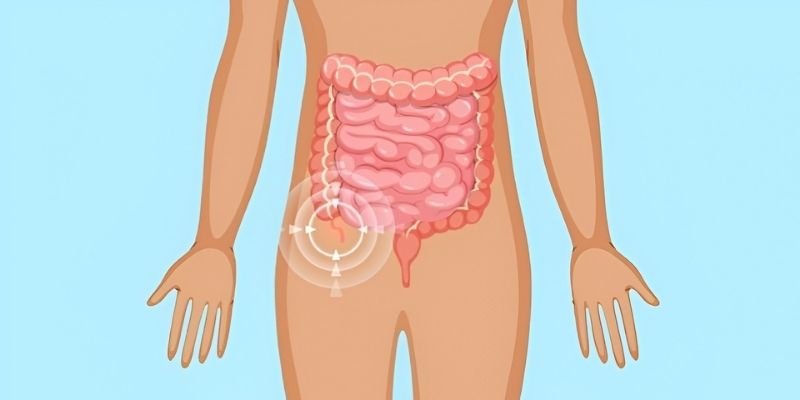
The appendix is a small, finger-like pouch attached to the large intestine. An inflamed appendix (appendicitis) can quickly become dangerous if not treated on time. Key symptoms of appendicitis include:

  • Sudden pain in the lower right abdomen (sometimes starting around the navel)
  • Loss of appetite, nausea, or vomiting
  • Fever and chills
  • Constipation, diarrhoea, or abdominal swelling

If the appendix bursts, the infection can spread throughout the abdomen (peritonitis), which is life-threatening. This is why timely surgical removal — appendectomy — is the standard treatment.

What is laparoscopic appendix surgery?

Laparoscopic appendectomy is a minimally invasive procedure in which the appendix is removed through 3–4 tiny incisions using a miniature camera (laparoscope) and fine surgical instruments. Compared to open surgery, laparoscopy offers less postoperative pain, smaller scars, faster recovery, and a shorter hospital stay of 24–48 hours. It is now the preferred option for most patients.
24/7
Emergency cover at Sterling Hospitals
Appendicitis is treated as an emergency — operated within 24 hours of diagnosis to prevent rupture.
24–48 hrs
Typical hospital stay
Most patients with uncomplicated appendicitis are discharged the morning after surgery.
5–7 days
Return to desk work
Vs 3–4 weeks for equivalent open appendectomy. Full physical activity at 3–4 weeks.
3
Tiny incisions of 5–10 mm
Compared to a single 5–8 cm open wound. Minimal scarring, particularly important for younger patients.
Why trust this content

Experience · Expertise · Authority · Trust

Every page on this site is written and medically reviewed by Dr Samir Contractor — a practising fellowship-trained surgeon — not by a content agency. Here is the evidence behind that claim.

E

Experience

Over 25 years of continuous surgical practice at Sterling Hospitals, Vadodara. Every claim on this page is drawn from direct clinical experience — not textbook paraphrasing.

25+ years in active surgical practice
8,000+ total procedures performed
5,000+ laparoscopic procedures
400+ bariatric procedures (sleeve & bypass)
1,500+ anorectal procedures
Senior Consultant, Sterling Hospitals since 2000
E

Expertise

Fellowship-trained at the Royal College of Surgeons of Edinburgh with subspecialty MIS training at Sir Ganga Ram Hospital, New Delhi. Board-certified in multiple countries.

MBBS — Medical College Baroda
MS (General Surgery) — Medical College Baroda
FRCS — Royal College of Surgeons, Edinburgh (UK)
FMAS — Fellow in Minimal Access Surgery
FACS — American College of Surgeons (USA)
PN1 Certified Exercise & Nutrition Coach
A

Authoritativeness

Affiliated with Sterling Hospitals — a leading multi-specialty hospital in Vadodara. Active member of recognised surgical bodies in India, the United Kingdom and the United States.

Senior Consultant, Sterling Hospitals, Vadodara
Indian Medical Association (IMA)
Indian Assoc. of GI Endo Surgeons (IAGES)
Obesity Surgery Society of India (OSSI)
Association of Surgeons of India (ASI)
General Medical Council, United Kingdom
T

Trustworthiness

Transparent pricing published on every procedure page. Surgery recommended only when clinically indicated. 4.9★ patient rating from named, verified patient reviews.

★ 4.9 average verified patient rating
Transparent package pricing on all pages
Medical disclaimer on every page
Content last reviewed: May 2026
Sterling Hospitals, Vadodara — established institution
Surgery discussed only when clinically appropriate
Qualifications
MBBS MS — General Surgery FRCS (Edinburgh, UK) FMAS FACS (USA) PN1 Certified
Memberships & Registrations
IMA IAGES ASI OSSI GMC, United Kingdom Royal College of Surgeons, Edinburgh American College of Surgeons
Who needs this procedure

Is laparoscopic appendectomy right for you?

Most patients with appendicitis are suitable for laparoscopic removal. Eligibility depends on several factors — your surgeon will review your reports and health profile to determine the safest approach.

✓ SUITABLE Typical candidates

  • Acute appendicitis confirmed on ultrasound or CT
  • Perforated appendicitis (with experience in complex surgery)
  • Recurrent or interval appendicitis
  • Children, adults and elderly patients — safe across all ages
  • Chronic right iliac fossa pain with appendiceal cause
  • Appendix mass (abscess) after initial antibiotic management

✗ DISCUSS FIRST May need modified approach

  • Extensive previous abdominal surgery (adhesions may limit laparoscopy)
  • Severe heart or lung disease requiring special anaesthesia evaluation
  • Appendiceal cancer requiring right hemicolectomy
  • Mild uncomplicated appendicitis — antibiotics alone may be discussed in selected cases
Why laparoscopic

Benefits of laparoscopic appendix surgery

Patients often ask: why laparoscopic surgery instead of open surgery? Here are the main advantages — each of which directly affects your recovery experience.

Smaller incisions, minimal scarring

Three incisions of 5–10 mm instead of one 5–8 cm open wound. Better cosmetic outcome, especially for younger patients and children.

Less postoperative pain

Tiny incisions cause significantly less tissue trauma, leading to faster pain relief. Most patients manage with paracetamol and don't require strong opioids.

Quick recovery — home in 24–48 hours

Most patients are discharged the morning after surgery and resume light activity immediately. Return to desk work in 5–7 days.

Lower risk of wound infection

Smaller wounds significantly reduce the risk of postoperative infection — particularly important for diabetic patients and those with perforated appendicitis.

Better visualisation

The HD laparoscope provides a magnified, high-definition view — allowing precise dissection and complete washout in perforated cases. A key safety advantage over open surgery.

Early return to work, school & life

Ideal for students, working professionals and homemakers. Desk workers return to office in 5–7 days. Full physical activity at 3–4 weeks.

How it's done

The procedure, step by step

We believe in preparing patients mentally and emotionally before surgery. Here is exactly what happens — from preoperative preparation to the moment you are discharged.

1

Pre-operative preparation

Blood tests, urine test and imaging (ultrasound or CT scan) are done — usually completed within 1–2 hours in the emergency department. IV fluids and antibiotics are started immediately.

  • Fasting for 6–8 hours before surgery (IV fluids given during this period)
  • Consent for surgery obtained and anaesthesia review completed
2

General anaesthesia

Surgery is performed under general anaesthesia. You are completely asleep and pain-free throughout. Total procedure time is approximately 30–45 minutes for uncomplicated cases.

3

The keyhole surgery

Three small incisions are made — one at the navel (10 mm, for the camera), two working ports elsewhere in the abdomen (5 mm each). CO₂ gas gently inflates the abdomen. The laparoscope provides a magnified HD view. The appendix is identified, its blood supply (mesoappendix) divided with an energy device, and the appendix base secured and divided. The appendix is removed in a retrieval bag.

  • In perforated cases: thorough peritoneal washout with warm saline
  • Drain placed only if significant contamination is present
4

Closure

Ports are removed, CO₂ gas released, and incisions closed with absorbable sutures (no suture removal needed in most cases). Sterile dressings applied. You are moved to recovery.

5

Recovery room and ward

After 1–2 hours in recovery, you are moved to the ward. Fluids are started within a few hours. You are walking by the evening of surgery. Most patients are discharged the following morning.

What to expect

Recovery after laparoscopic appendix surgery

One of the biggest advantages of laparoscopic appendectomy is the smooth and fast recovery. Here is what to expect at each stage.

Hrs

Surgery evening — fluids and first walk

You are sitting up and sipping clear fluids within a few hours of surgery. A short walk in the ward corridor is encouraged the same evening. Mild soreness at incision sites — well controlled with medication.

Day 1

Discharge with soft diet

Most patients discharged after 24 hours. Begin soft diet: khichdi, curd, dal water, banana, soft-cooked vegetables. Oral antibiotics for 5 days in perforated cases. Prescriptions and wound care instructions provided.

Days 3–5

Light activity at home

Regular walks encouraged — 3–4 times daily. Normal Indian diet can be resumed: dal, roti, sabzi, curd, rice. Avoid very spicy food for one week. Mild soreness settles quickly.

Days 5–7

Return to desk work

Most office workers, students and teachers return to their regular routine. Driving is fine if you can perform an emergency stop without discomfort. Stitches are absorbable and do not need removal.

Week 2

Light gym, yoga and normal life

Walking, light gym, yoga and cycling are all fine. Complete normal diet resumed including all spices. Follow-up visit with Dr Samir to confirm healing.

Week 3–4

Full activity — no restrictions

Gym, sports, heavy manual work, swimming — all activities fully resumed. There are no long-term dietary or activity restrictions after appendix removal. The appendix has no essential function in adults.

Informed consent

Potential risks & complications

While laparoscopic appendix surgery is very safe, it is important to be transparent about potential risks. These are uncommon — and significantly rarer than with equivalent open surgery.

Wound infection

Possibility of infection at the small incision sites. Occurs in less than 2% of cases — far lower than with open surgery.

Minor bleeding

Minor intraoperative bleeding may occur, though serious bleeding is rare (less than 0.5%) with experienced laparoscopic surgeons.

Abscess formation

May occur in perforated appendicitis cases. Managed with antibiotics or radiologically-guided drainage in the majority of cases.

Injury to nearby organs

A very rare complication (less than 0.5%). The HD laparoscope actually provides better visualisation than open surgery, reducing this risk.

Conversion to open surgery

Required in fewer than 3% of cases — typically in heavily perforated appendicitis with dense adhesions. Conversion is a surgical decision, not a complication.

Anaesthesia-related risks

Routine anaesthesia risks (nausea, sore throat, rare allergy) are managed by our experienced anaesthesia team and are no different from any other general anaesthetic.

🛡️

Your safety is our top priority

With 25+ years of surgical expertise and 8,000+ successful procedures, our team ensures these risks are minimised through meticulous surgical technique, rigorous pre-operative assessment, and close post-operative monitoring. Complication rates at Sterling Hospitals, Vadodara are consistently below published national averages.

Transparent pricing

Package rates at Sterling Hospitals, Vadodara

All-inclusive package costs — no hidden charges. Two room categories available. Final confirmation at consultation.

Procedure Standard Room Deluxe Room
Laparoscopic Appendectomy (Elective / Acute) ₹1,10,000 ₹1,73,000
✓ Included in package
Surgeon fee · Anaesthesia · OT charges · Room rent (2 days) · Doctor visits · Miscellaneous
✗ Billed separately
Labs · Pharmacy · Radiology · Consumables

Emergency cases are billed on actuals based on clinical complexity. Package rates are estimates — final costs confirmed at consultation. Packages include surgeon fee, anaesthesia, OT charges, room rent (2 days), doctor visits and miscellaneous.

Quick answers

Frequently asked questions about laparoscopic appendix surgery

What is the difference between open and laparoscopic appendix surgery?
Open surgery requires a large abdominal incision of 5–8 cm, while laparoscopic surgery uses 3 tiny incisions of 5–10 mm. The laparoscopic approach results in significantly less pain, smaller scars, shorter hospital stay (24–48 hours vs 3–5 days), and faster return to normal activities. It is now the standard of care for appendix surgery in most centres worldwide.
Is laparoscopic appendix surgery safe for children?
Yes. Laparoscopic appendectomy is in fact preferred for children because of smaller scars, less postoperative pain, and faster return to normal activities including school. It is routinely performed safely in children of all ages at Sterling Hospitals, Vadodara. The technique and port sizes are adapted for paediatric patients.
How urgent is appendix surgery?
Appendicitis is a surgical emergency. Surgery is usually performed within 24 hours of diagnosis to prevent rupture and peritonitis — a life-threatening infection of the abdominal cavity. If you have right lower abdominal pain, fever and nausea, visit the Sterling Hospital emergency department immediately. Do not take pain relief and wait at home — this masks symptoms and delays treatment.
What tests are needed before appendix surgery?
Pre-operative tests include blood tests (complete blood count, CRP, liver function), urine test, and imaging — ultrasound abdomen is the first investigation; CT scan is performed when the diagnosis is uncertain on ultrasound. These are done in the emergency department and usually completed within 1–2 hours.
Can I eat or drink before appendix surgery?
You will be advised not to eat or drink anything for 6–8 hours before surgery. In emergency cases, IV fluids and antibiotics are started immediately while the necessary fasting period is observed. Do not eat or drink anything after you know you may need surgery — this is important for anaesthesia safety.
How long will I stay in hospital after appendix surgery?
Most patients undergoing laparoscopic appendectomy for uncomplicated appendicitis are discharged within 24–48 hours. Perforated appendicitis typically requires 3–5 days depending on clinical response. Patients who live far from Vadodara or who have limited home support may stay an additional night.
When can I resume normal activities after appendix surgery?
Light activities (walking, desk work) can start within 24–48 hours. Most office workers and students return to their routine in 5–7 days. Light gym and yoga at 2 weeks. Full physical activity, heavy manual work and sports at 3–4 weeks. There are no long-term activity restrictions after appendix removal.
What diet should I follow after appendix surgery?
Day 1: clear fluids — tender coconut water, thin soups, ORS. Days 2–3: soft Indian diet — khichdi, curd, dal, banana, soft-cooked vegetables. Week 1: regular soft meals — dal, roti, sabzi, rice (avoid very spicy food). Week 2 onwards: complete normal Indian diet resumed with no restrictions. There are no permanent dietary limitations after appendix removal.
What are the possible risks of laparoscopic appendix surgery?
Laparoscopic appendectomy is very safe. Potential complications include wound infection (< 2%), minor bleeding, abscess formation in perforated cases (< 5%), injury to nearby organs (< 0.5%), and conversion to open surgery in complex cases (< 3%). All these risks are lower than equivalent open surgery. With Dr Samir Contractor's 25+ years of experience and 8,000+ procedures performed, complication rates at Sterling Hospitals are consistently below national averages.
Will removing the appendix affect my health in the future?
No. The appendix has no essential digestive or immune function in adults. People live completely normal, healthy lives after appendix removal with no long-term dietary restrictions, no increased susceptibility to infections, and no limitations on physical activity. Following an appendectomy, there is nothing to monitor or manage long-term.
Book a consultation

Meet Dr Samir at Sterling Hospital, Vadodara.

WhatsApp gets the fastest response. For appointment booking by phone, call the Sterling Hospital reception during OPD hours.

WhatsApp (Preferred)
Replies within working hours, Mon–Sat.
Appointments — Sterling Hospital
Mon–Sat, 9:00 AM – 8:00 PM IST.
Clinic
Sterling Hospital, Opp. Inox Cinema
Race Course Circle (W), Vadodara – 390007
OPD: Monday–Saturday, 10:00 AM – 7:00 PM

Request a Consultation

Two fields. We'll reach out on WhatsApp within working hours.

SC
Dr Samir Contractor
MS FRCS (UK) FMAS FACS (USA) PN1
Sterling Hospitals, Vadodara 25+ years · 8,000+ surgeries ★ 4.9 rating
Explore more

People also read about