Surgical treatment for simple and complex anal fistula — fistulectomy, fistulotomy and the LIFT (Ligation of Intersphincteric Fistula Tract) procedure. Specialist anorectal surgery at Sterling Hospitals, Vadodara.
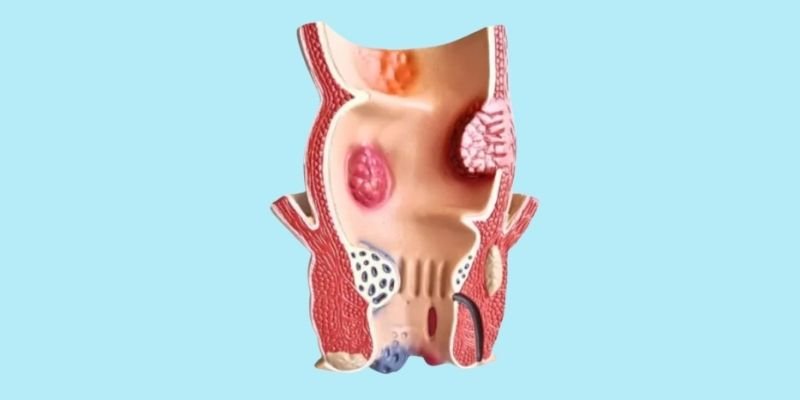
An anal fistula is an abnormal tunnel (tract) connecting the inside of the anal canal to the skin surface around the anus. Most anal fistulas develop after an anorectal abscess — the abscess bursts or is surgically drained, but a residual tract persists, discharging pus, blood or mucus intermittently onto the skin. This causes persistent wetness, soiling, itching and discomfort around the anus.
Fistulas are classified by their relationship to the anal sphincter muscles: intersphincteric fistulas (most common — pass between the sphincter layers), trans-sphincteric fistulas (cross both sphincters), and suprasphincteric or extrasphincteric fistulas (complex, rare). The classification determines the surgical approach, as the sphincter muscles that control continence must be carefully identified and preserved.
The treatment for anal fistula is always surgical — fistulas do not heal with antibiotics alone. Simple fistulas are treated with fistulectomy or fistulotomy. Complex fistulas (involving significant sphincter muscle) are treated with sphincter-preserving procedures such as the LIFT technique.
Every page on this site is written and medically reviewed by Dr Samir Contractor — a practising fellowship-trained surgeon — not by a content agency. Here is the evidence behind that claim.
Over 25 years of continuous surgical practice at Sterling Hospitals, Vadodara. Every claim on this page is drawn from direct clinical experience — not textbook paraphrasing.
Fellowship-trained at the Royal College of Surgeons of Edinburgh with subspecialty MIS training at Sir Ganga Ram Hospital, New Delhi. Board-certified in multiple countries.
Affiliated with Sterling Hospitals — a leading multi-specialty hospital in Vadodara. Active member of recognised surgical bodies in India, the United Kingdom and the United States.
Transparent pricing published on every procedure page. Surgery recommended only when clinically indicated. 4.9★ patient rating from named, verified patient reviews.
A consultation with Dr Samir Contractor is required for a definitive assessment of candidacy.
Anal fistula causes chronic perianal discharge and soiling that severely impacts quality of life. Surgery is the only curative treatment.
The LIFT procedure allows treatment of complex fistulas without cutting through significant sphincter muscle — protecting continence.
Pre-operative MRI fistulography maps the tract precisely before surgery — reducing risk of incomplete treatment or sphincter injury.
Untreated fistulas cause repeated painful abscesses. Surgical closure eliminates the source of recurrent infections permanently.
An MRI of the fistula tract is performed before surgery to map the tract accurately — identifying its course, the internal opening, and its relationship to the sphincter muscles.
Under general or spinal anaesthesia, the fistula is probed from the external opening to identify the internal opening inside the anal canal.
For low intersphincteric fistulas involving little or no sphincter, the tract is laid open (fistulotomy) or excised (fistulectomy). The wound heals from base to surface over 4–6 weeks.
For fistulas involving significant sphincter muscle, the LIFT technique is used. An incision is made in the intersphincteric groove, the fistula tract is identified between the sphincters, ligated and divided. The external wound is curetted. The sphincter is preserved intact.
Occasionally a seton suture is placed through the fistula tract as a first stage to reduce inflammation and define the anatomy before definitive repair at a second procedure.
Wound loosely packed. Patient discharged after 24–48 hours with wound care instructions. Regular sitz baths essential.
Most patients discharged after 24–48 hours. Wound care instructions provided. Stool softener started.
Regular sitz baths (warm water, 10–15 min, 3 times daily) essential. Wound dressings changed daily. Mild pain managed with paracetamol. High-fibre diet.
Most desk workers return within 5–7 days. Driving fine when comfortable. Wound care continues.
Wound heals progressively from base to surface (secondary intention). Regular clinic visits to check healing. Light activity fine.
Simple fistulas heal in 4–6 weeks. Complex LIFT repairs may take 6–10 weeks for complete wound closure. Full activity at 6 weeks.
All-inclusive package costs — no hidden charges. Two room categories available. Final confirmation at consultation.
Packages include surgeon fee, anaesthesia, OT charges, room rent (2 days), doctor visits & miscellaneous. Excludes labs, pharmacy, radiology & consumables. MRI fistulography billed separately as pre-operative investigation.
Had a fistula for two years with repeated abscesses every few months. Was told by another surgeon that the operation was risky for my continence. Dr Samir did the LIFT procedure and I healed completely without any continence issues. Exceptional expertise.
Came from Bharuch after being recommended Dr Samir by a colleague. Simple fistulotomy done expertly. Wound care instructions were clear and follow-up was thorough. Healed in 5 weeks, fully cured.
WhatsApp gets the fastest response. For appointment booking by phone, call the Sterling Hospital reception during OPD hours.
Popular searches